The rapid growth of e-commerce has transformed the way goods move through cities. Every day, thousands of parcels travel across urban areas, creating new challenges related to congestion, emissions and the use of public space. While sustainable logistics solutions are increasingly discussed, designing them requires more than technical innovation. It requires collaboration across the entire delivery ecosystem.
This is why co-creation has played a key role in the GreenTurn project. Instead of developing solutions behind closed doors, the project brought together stakeholders from across the e-commerce logistics chain to jointly explore how deliveries and returns can become more sustainable while remaining convenient and economically viable.
Bringing stakeholders to the same table
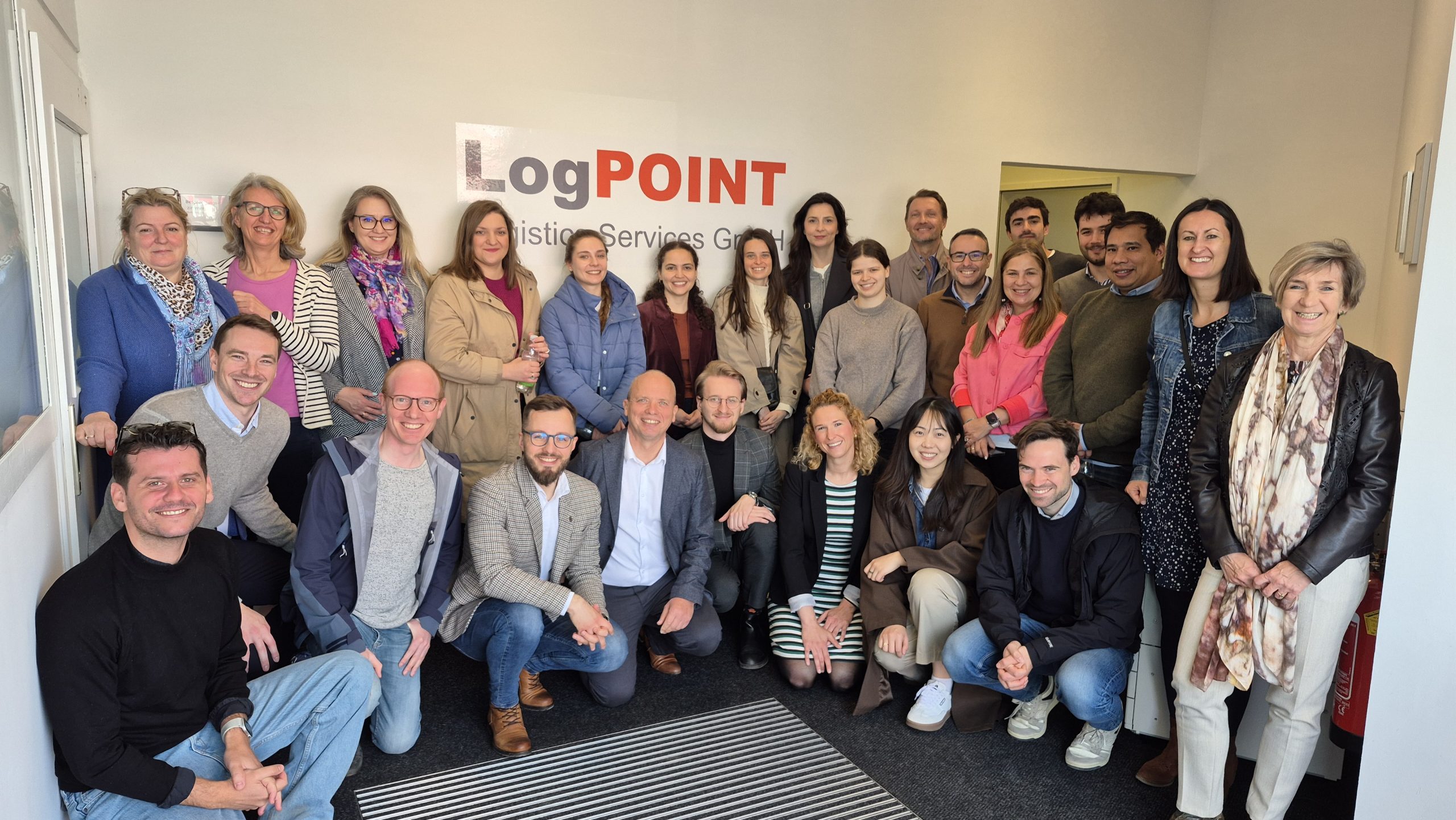
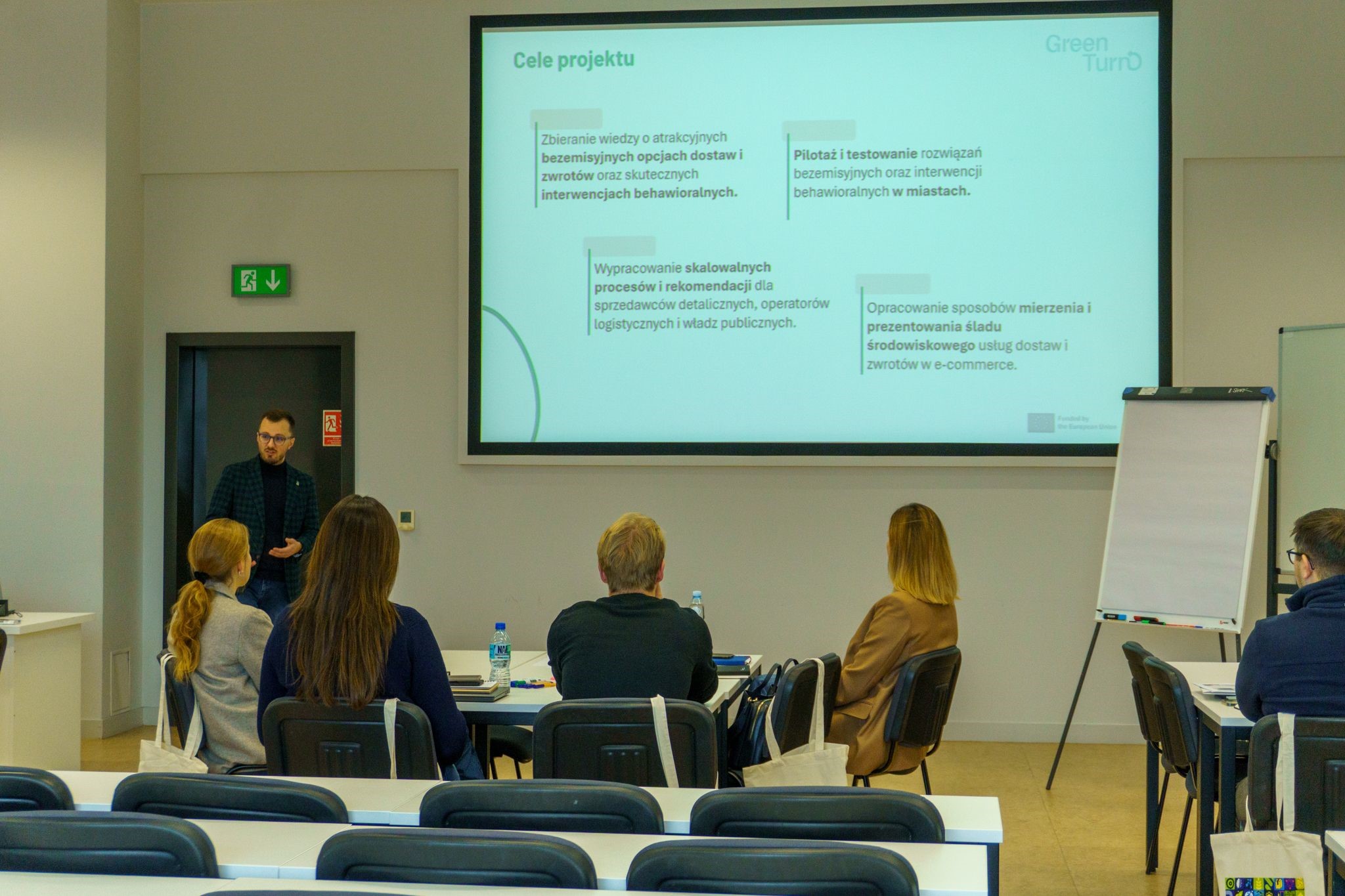
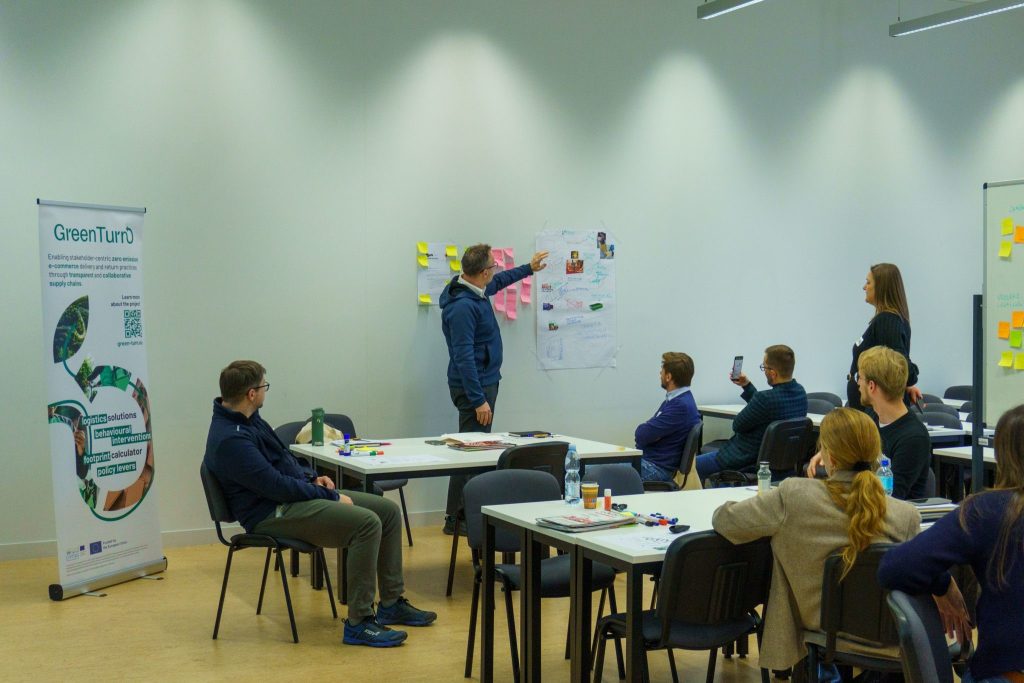
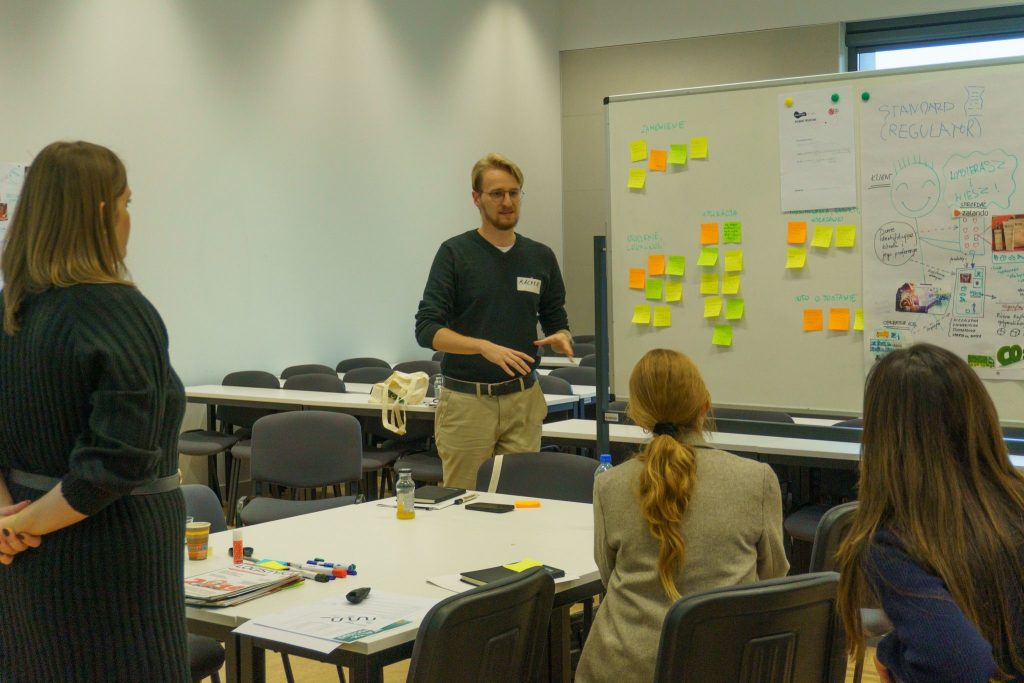
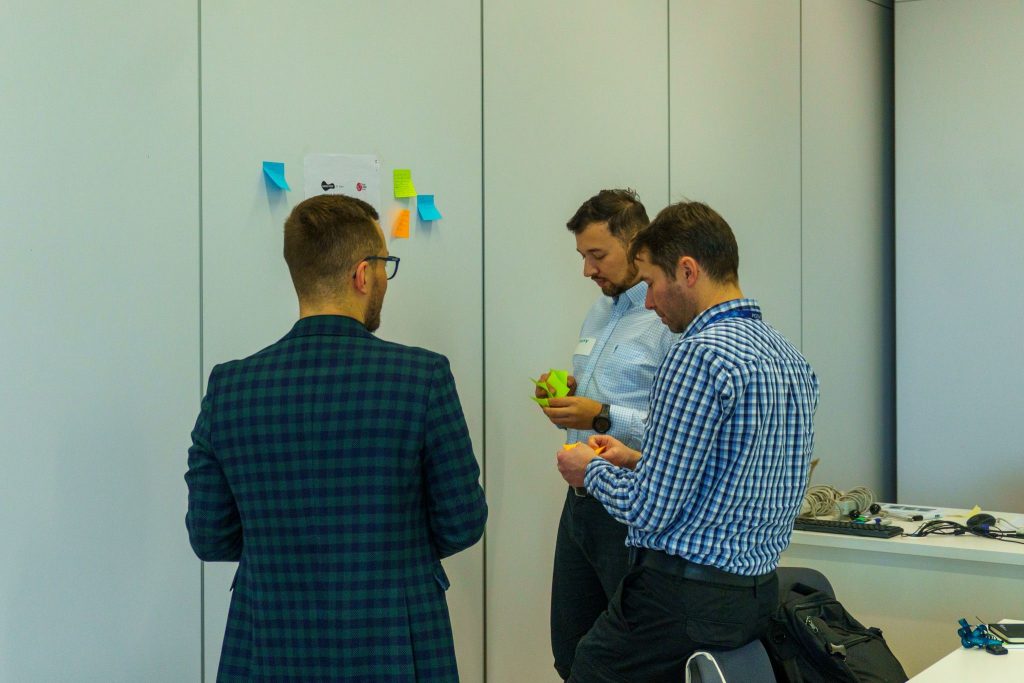
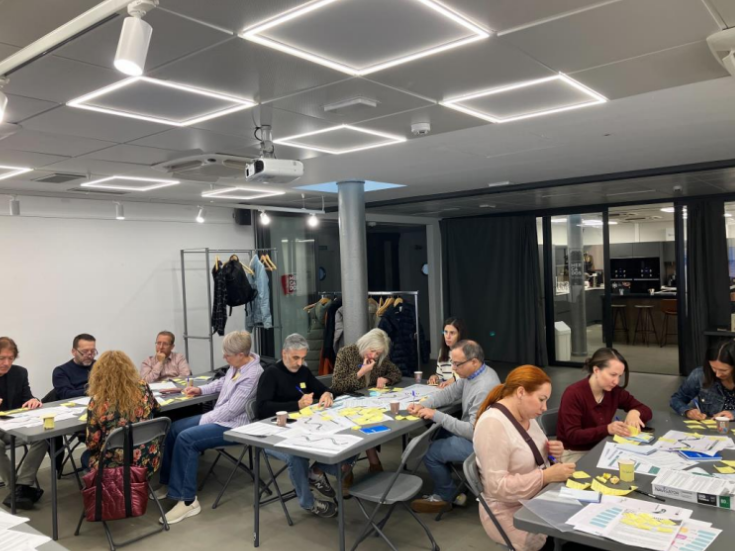
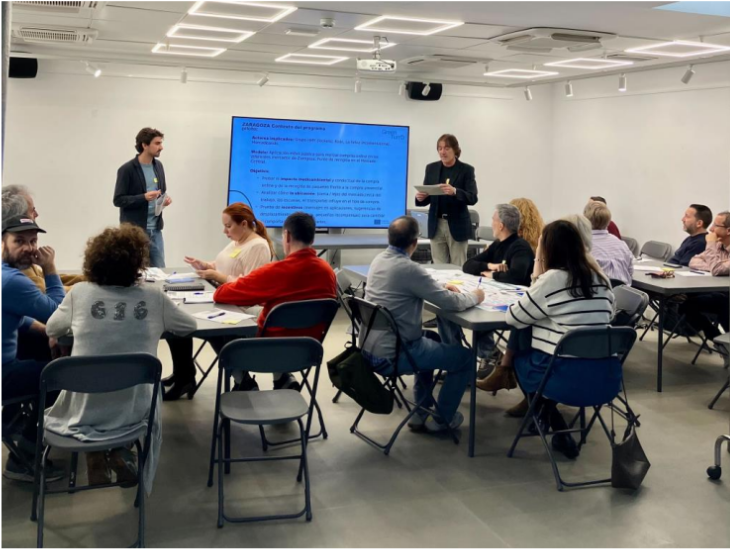
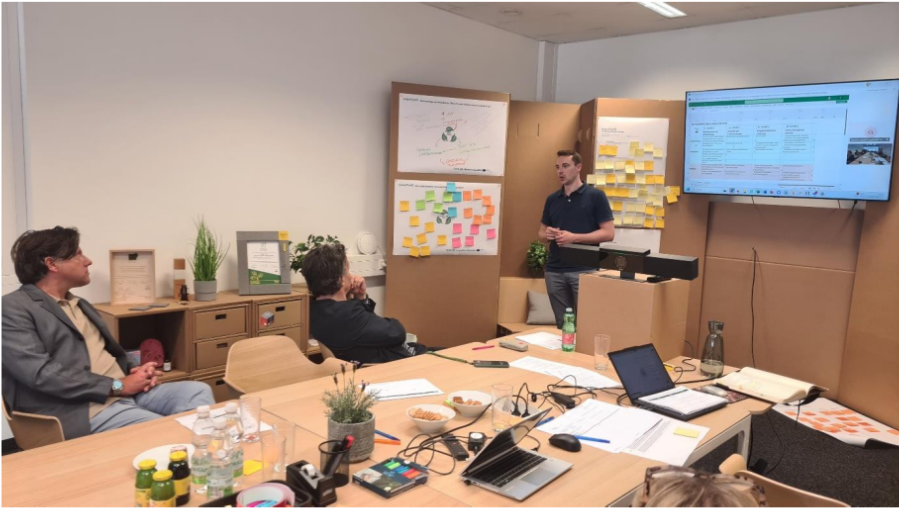
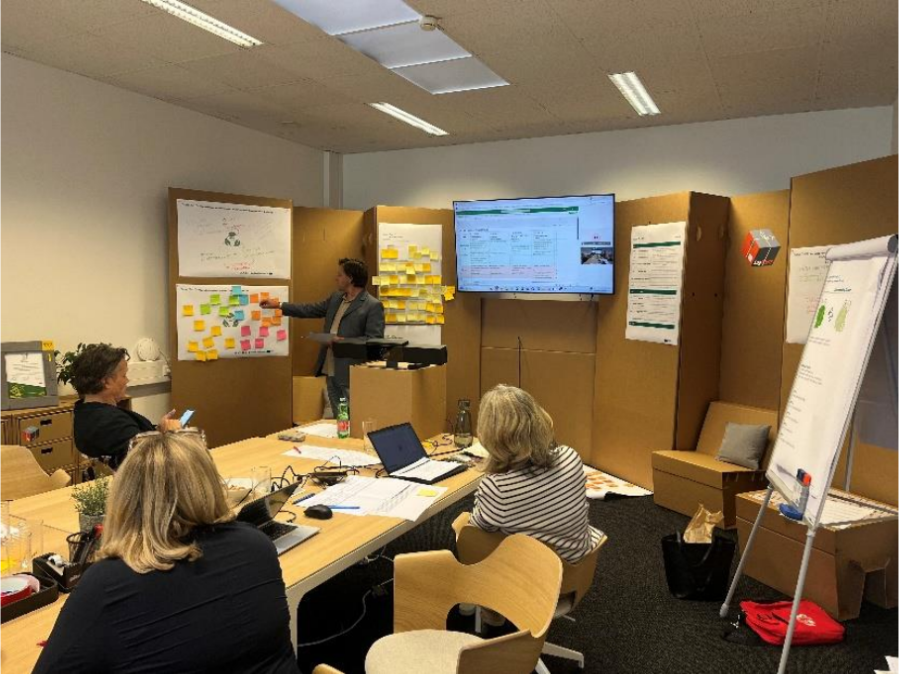
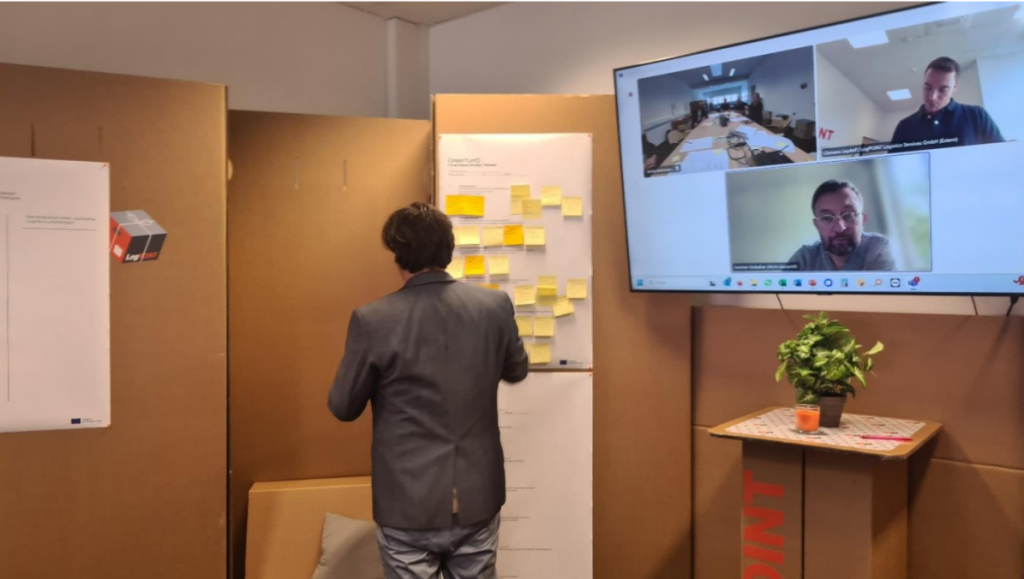
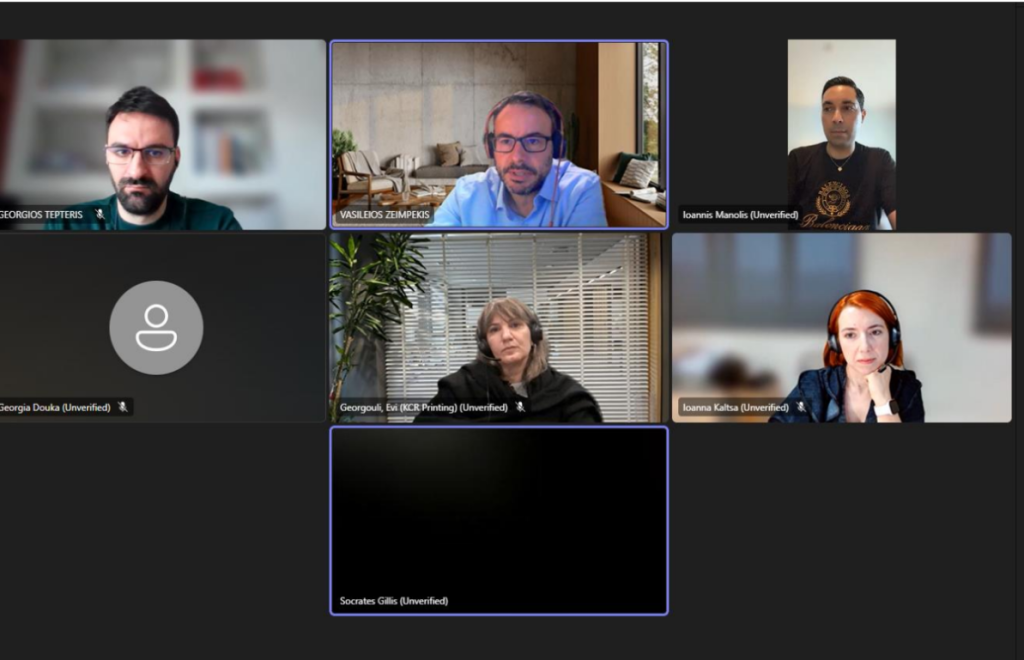
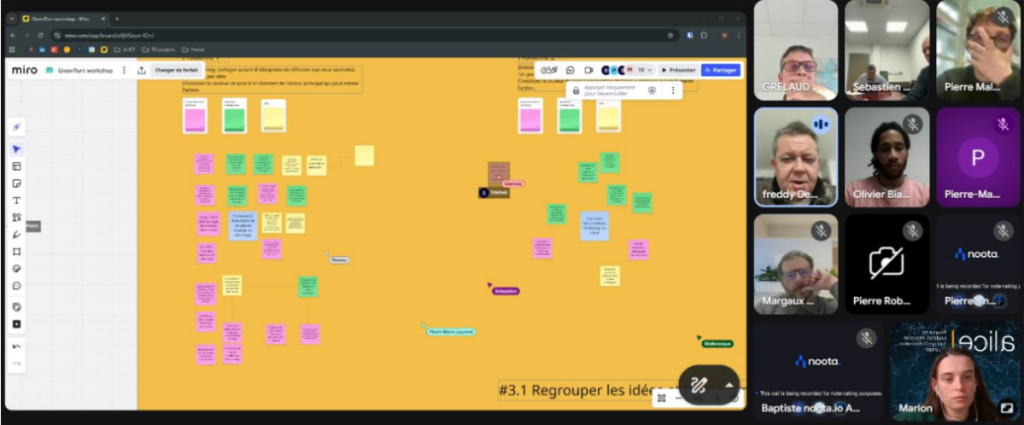
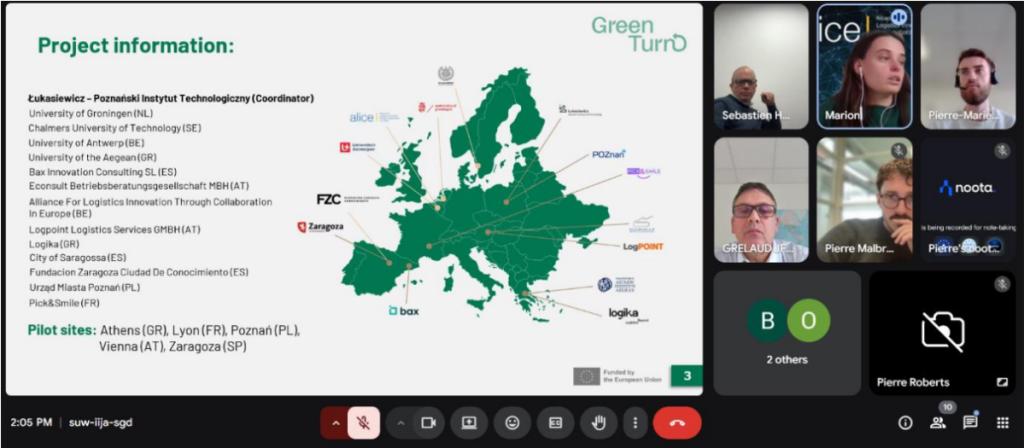
To better understand the complexity of urban e-commerce logistics, GreenTurn organised a series of co-creation workshops in five European pilot cities: Poznań, Lyon, Athens/Elefsina, Vienna and Zaragoza.
The workshops gathered representatives of logistics operators, retailers, technology providers, city authorities and researchers. Each group brought a different perspective on the challenges of last-mile delivery — from operational constraints and infrastructure limitations to consumer expectations and policy objectives.
Through facilitated discussions and scenario exercises, participants explored real-world barriers that prevent the wider adoption of greener delivery solutions. The goal was not only to identify problems, but also to jointly develop ideas that could realistically work in practice.
From challenges to concrete ideas
The discussions revealed that many barriers to sustainable delivery choices are interconnected. Consumers may be interested in environmentally friendly delivery options, but often lack clear information about their impact or face inconvenient return processes. At the same time, logistics providers and retailers operate within complex systems where operational efficiency, infrastructure availability and business models shape what can actually be offered to customers.
Despite differences between cities and logistics systems, the workshops generated more than twenty innovation concepts addressing these challenges.
When analysed across all pilot cities, these ideas converged around four major directions for innovation:
Making eco-friendly delivery choices more transparent
Consumers need clear and trustworthy information about the environmental impact of delivery options at the moment of purchase.
Improving packaging and return systems
Circular packaging solutions and more efficient return processes could significantly reduce environmental impacts.
Developing low-emission delivery models
Zero-emission vehicles, consolidation solutions and better coordination of last-mile operations are key elements of greener logistics.
Encouraging behavioural change
Incentives, nudges and better communication can help consumers choose sustainable delivery options without sacrificing convenience.
Different cities, shared challenges
Although the five GreenTurn pilot cities have different logistics structures and urban mobility policies, the workshops revealed remarkably similar challenges across Europe.
Stakeholders consistently highlighted that sustainable last-mile logistics requires a combination of behavioural, operational and digital innovations. Simply introducing new delivery technologies is not enough if consumers do not understand their benefits or if logistics systems cannot support them efficiently.
The discussions also emphasised the importance of cooperation between public authorities and private operators, particularly when aligning logistics solutions with urban mobility and sustainability goals.
From ideas to real-world testing
The concepts developed during the co-creation workshops have now moved beyond the ideation stage. They directly informed the design of GreenTurn pilot solutions, which will soon be tested in real operational environments across the five pilot cities.
These pilots will explore how behavioural interventions, innovative delivery models and collaborative logistics solutions can work together to reduce the environmental impact of e-commerce.
By combining stakeholder knowledge with real-world experimentation, GreenTurn aims to generate practical insights that can support cities, retailers and logistics providers in building a more sustainable future for e-commerce deliveries and returns.
Other events
17 February
Webinar │Customer Journeys and Behavioural Modelling
online
24 September
Webinar: Unlocking Green Delivery: What’s Driving the Preferences of Online Consumers?
Online
6 November
ALICE Logistics Innovation Summit
Tangla Hotel (Brussels)