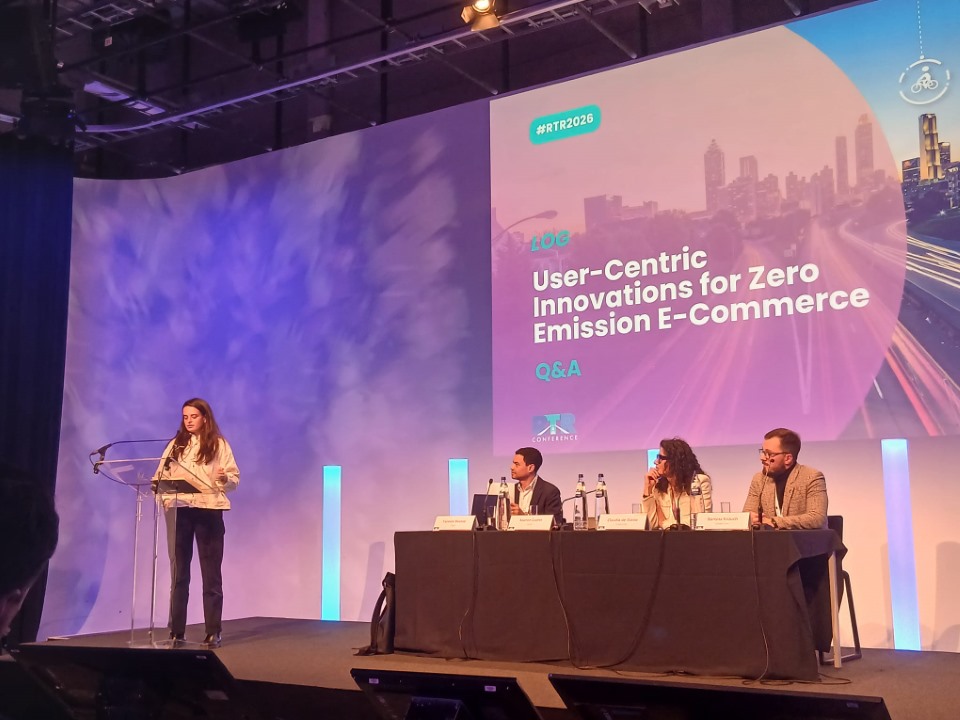
As online shopping continues to reshape our urban landscapes, GreenTurn is diving deep into the psychology of e-commerce consumer. We sat down with the Team at the University of the Aegean to discuss the project’s initial findings on how consumers navigate the complex world of deliveries and returns.
Q1. What does your research tell us about how people choose delivery and return options when shopping online?
Answer: People tend to make these choices in a very practical way. Price comes first, followed closely by conveniencethings like how fast an order arrives or how far they need to travel to return it.
Product type also matters: groceries and meals are still strongly linked to home delivery, while fashion, toys, or second-hand items are more often picked up or returned outside the home. One of the strongest influences, though, is habit. If someone has recently used a delivery or return option and it worked well, they are very likely to choose it again, even if other options look better on paper.
Q2. Was there any surprising or unexpected result that did not match your original assumptions about consumer behaviour?
Answer: Yes, especially how powerful habit is. We expected cost and convenience to dominate, but past behaviour often outweighed both. Even when cheaper or greener options were available, people tended to stick with what they already knew. Another interesting finding was that environmental concern alone rarely changes behaviour. People who care about sustainability don’t automatically choose greener delivery or return options unless the choice is easy and clearly presented. Small nudges help, but they are not enough on their own.
Q3. How do cost, convenience and environment affect people’s decisions?
Answer: Cost is a very strong factor. Higher delivery or return fees quickly discourage people from choosing an option, especially for low-value items. Convenience is almost as important. Shorter distances, quicker delivery, and flexible return windows make a big difference, particularly for urgent or sensitive products like medicines. Environmental impact plays a less important role. People respond better to clear, relatable messages (for example, about air quality) than to abstract sustainability claims. Still, green choices are most attractive when they don’t require extra effort or cost. In short: people like sustainable options, but only if they’re affordable and easy.
Q4. What are the next steps for the project with these results?
Answer: These insights are meant to be used, not just reported. The next steps focus on designing real-world solutions that match how people actually behave. That means tailoring messages to different consumer groups, making sustainable options as convenient as possible, and encouraging first-time use of alternatives like parcel lockers or pick-up returns. The results also help guide pricing, service design, and communication strategies, so that greener delivery and return options feel like a natural choice—not a sacrifice.
Other events

17 February
Webinar │Customer Journeys and Behavioural Modelling
online
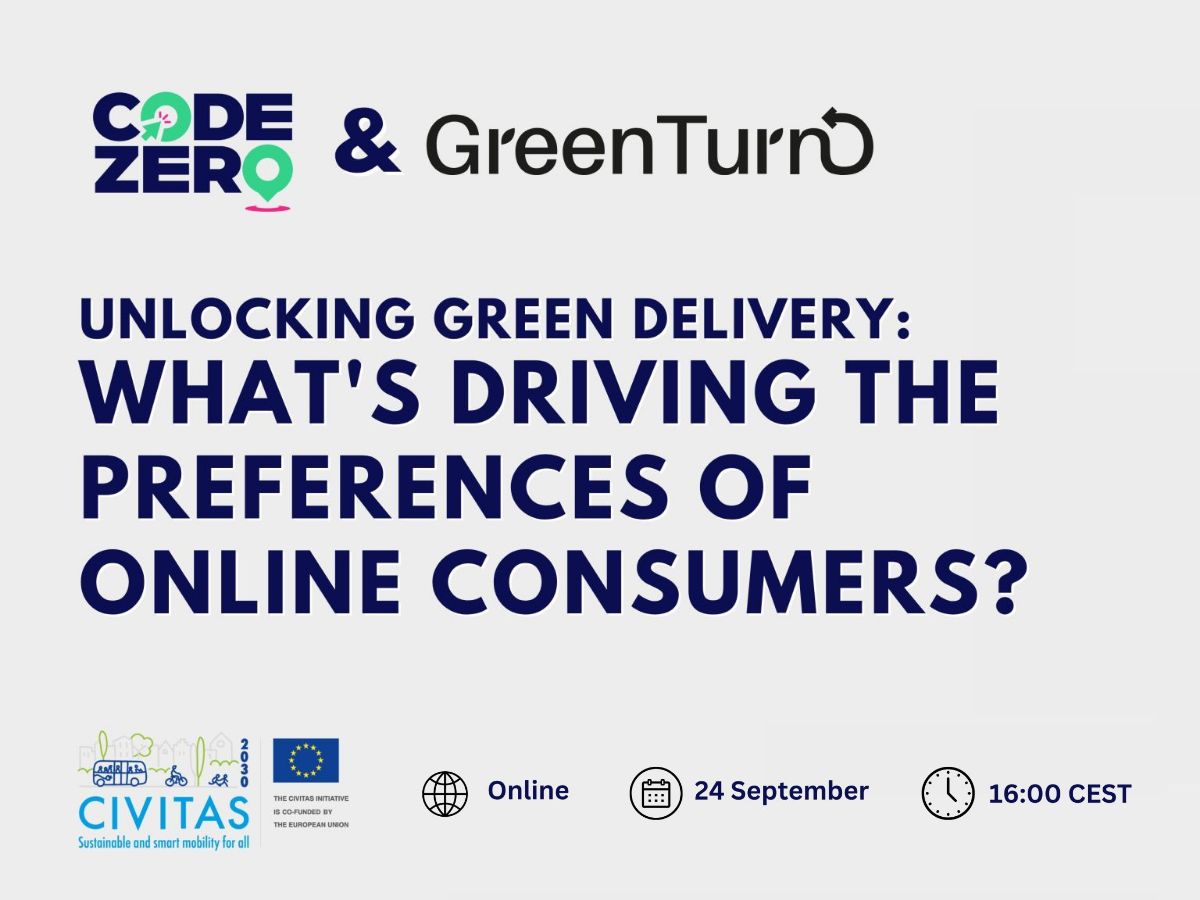
24 September
Webinar: Unlocking Green Delivery: What’s Driving the Preferences of Online Consumers?
Online
6 November
ALICE Logistics Innovation Summit
Tangla Hotel (Brussels)
Recent updates
Building a Greener E-Commerce Future: What We Learned from Mapping the Stakeholder Ecosystem
Driving Sustainability in E-Commerce: An Interview with the team specialised in Shipping, Trade and Transport from the University of the Aegean