An interview with Ivan Dario Cardenas Barbosa
Ivan is an Assistant Professor in the Division of Supply and Operations Management at the Department of Technology Management and Economics, Chalmers University of Technology. In Greenturn, Ivan and his colleagues will help uncover the social impact of e-commerce logistics, and whether consumers could change their behaviour when presented with such information.
1. What does social sustainability in logistics mean?
For most of us, what happens between placing an order and receiving it at the door is a black box. GreenTurn looks inside it across all three dimensions of sustainability: environmental, economic and social.
Social sustainability is about people: their well-being, fair working conditions, and health and safety. In logistics, it involves several groups: workers, customers (including vulnerable customers), and residents of areas most exposed to the effects of logistics activity. For these groups, what is at stake is access to goods, stable work, and a safe and healthy environment (Fried et al., 2024).
Initiatives such as CountEmissions EU, the common EU method for calculating greenhouse gas emissions from transport services adopted in 2026, help open that box for the environmental dimension, making it possible to attribute emissions to each stakeholder in the delivery chain. Social sustainability does not yet receive the same attention. It has no universally accepted metrics, so the social side of the box largely remains closed (Cardenas et al., 2026).
2. What are some current practices in EU projects? How do we measure social sustainability? What are the gaps?
Social sustainability is starting to appear in how EU projects are evaluated. The evaluation framework of CIVITAS, the EU initiative for cleaner and better transport in cities, for example, includes indicators on transport working conditions, mobility social equity and accessibility. In practice, however, the aspects that are hard to put into numbers, such as well-being or inclusive employment, are rarely quantified in pilots, so their real impact remains unknown.
Research shows that these aspects can be measured for each of the groups involved. For workers, working conditions can be quantified through workload, the variability of working hours, and compensation compared with the legal wage (Cardenas et al., 2026). Even stress can be measured, for example with wearable sensors (Castrellon et al., 2026). For customers, studies measure how easily people can reach delivery services such as pick-up points (Beckers & Verhetsel, 2021). For residents, studies measure exposure to the pollution and road risks of freight traffic, for example through proximity to logistics facilities (Fried et al., 2024).
The main gap is the lack of shared, standardised methods, and it is closely tied to data: much of what a social assessment needs is held by companies. Working conditions are a clear example. Assessing them requires detailed data on hours, routes and compensation. This data is commercially sensitive and spread along the delivery chain. Moreover, because the same data is used to monitor performance or check compliance, collecting it for an assessment can feel more like control than assessment.
3. What is GreenTurn doing about it and what are our barriers?
GreenTurn has treated social sustainability as part of its evaluation from the start. Its common set of indicators includes social indicators alongside environmental and economic ones, and these have evolved together with the pilots. For customers, they cover access to delivery services, the uptake of sustainable delivery options, and spending on shipping. For workers, they cover wages, long working days, and how much route length varies from day to day.
The Zaragoza pilot shows what social value can look like in practice. Deliveries are carried out by local social-economy organisations, a cooperative and a social enterprise, that create jobs for people facing barriers to the labour market. The pilot also has a focus on accessibility for elderly people, which we will explore further as part of the social assessment.
Assessing social sustainability remains challenging for companies. That is why GreenTurn is using this work to build a better framework for assessing social sustainability that future EU projects can use, drawing on previous research and on companies’ own experience of these challenges.
4. What should we improve in future EU projects related to social sustainability?
Future EU projects should plan social assessment from the start, with the same care given to emissions. That means agreeing early on what will be measured, who provides the data and how it will be used, so that the assessment supports learning rather than feeling like control.
Social assessment starts with hearing from each group about what matters to them. Workers, companies, authorities and citizens each see different impacts of the same delivery system (Restrepo-Betancur et al., 2026). Involving all of them in deciding what is measured also helps each actor understand how its activities affect the others.
Finally, social impacts should be expressed in ways that can sit alongside environmental and economic ones. One example is translating gaps in working conditions into costs that can be included in the cost–benefit analyses used to decide on transport policies and investments (Cardenas et al., 2026). A promising direction is the link between working conditions and health outcomes such as stress and sick leave, which matters to companies and public health authorities alike.
Other events
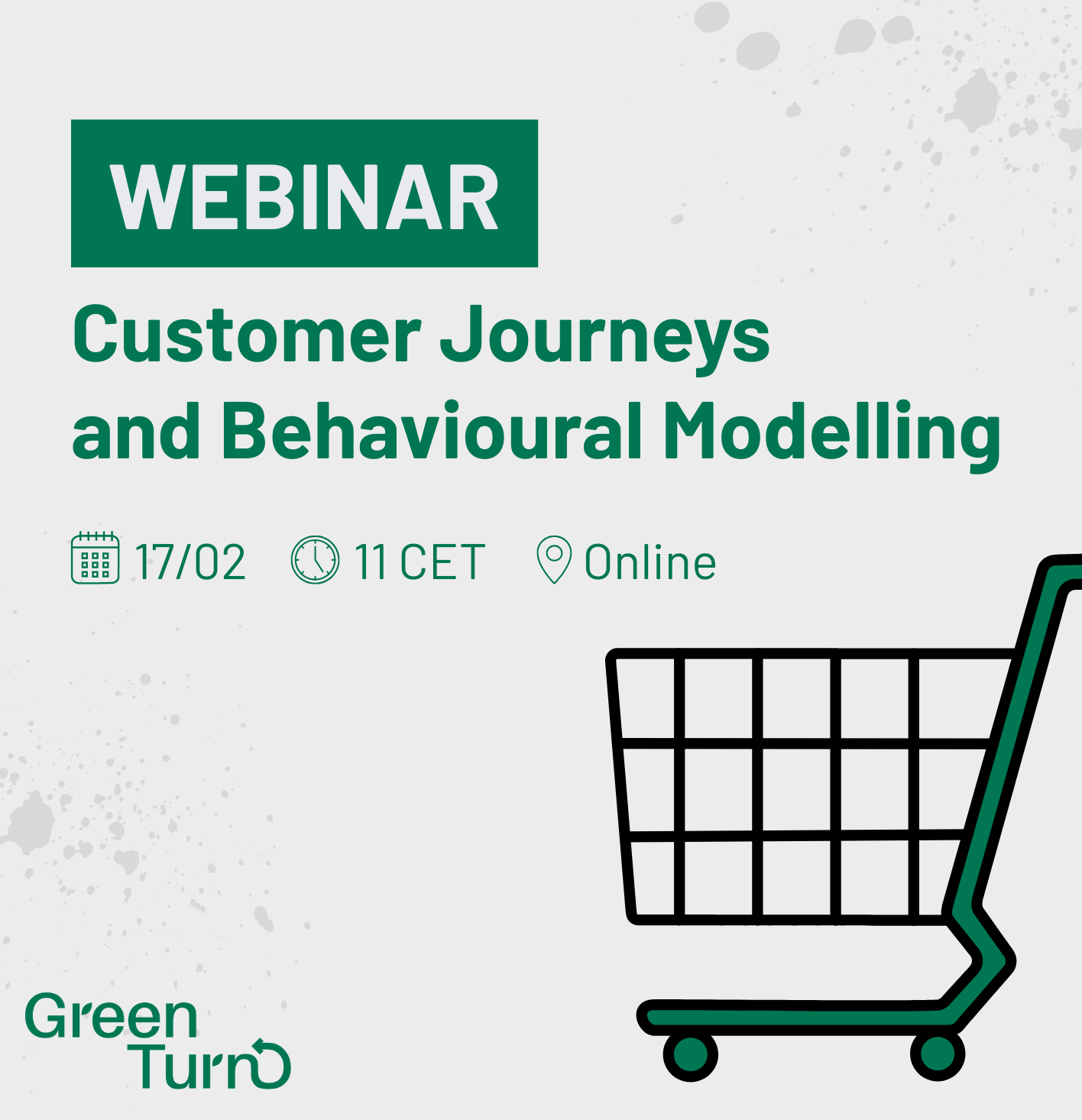
17 February
Webinar │Customer Journeys and Behavioural Modelling
online
24 September
Webinar: Unlocking Green Delivery: What’s Driving the Preferences of Online Consumers?
Online
6 November
ALICE Logistics Innovation Summit
Tangla Hotel (Brussels)