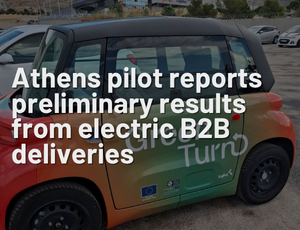
The GreenTurn pilot in Western Attica has been testing how compact electric vehicles and digital route planning can make business-to-business deliveries and return collections cleaner and more efficient. The pilot has been running since April 2026 and continues until January 2027, bringing together logistics operator LOGIKA, business partner KYOCERA and the University of the Aegean.
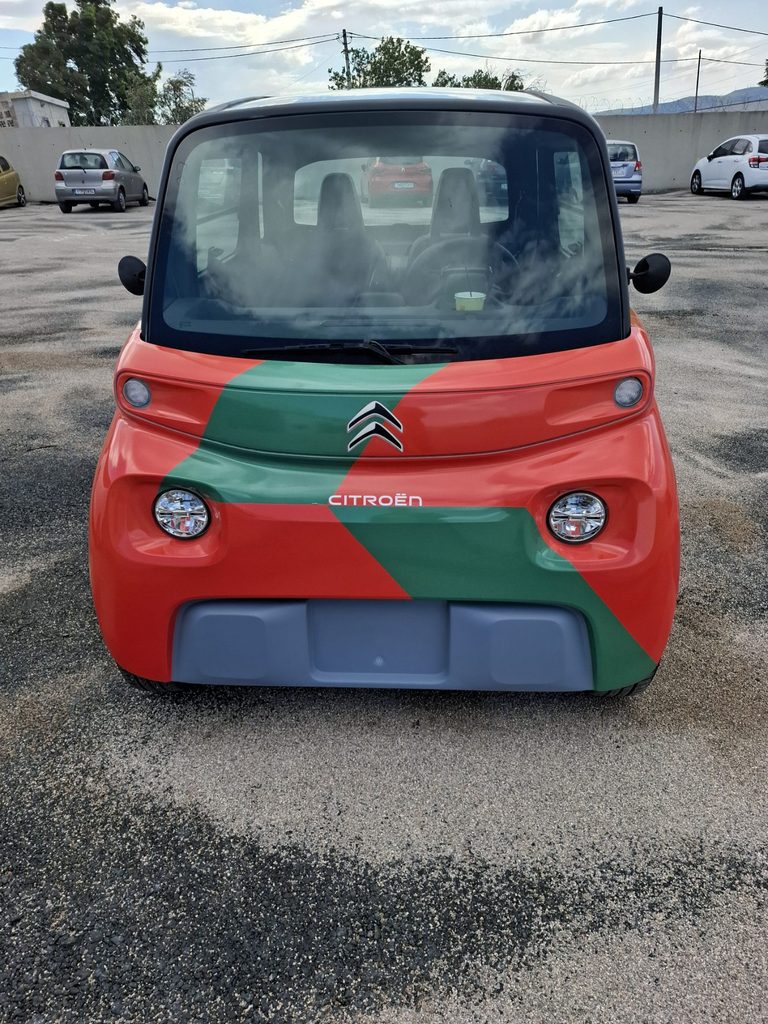
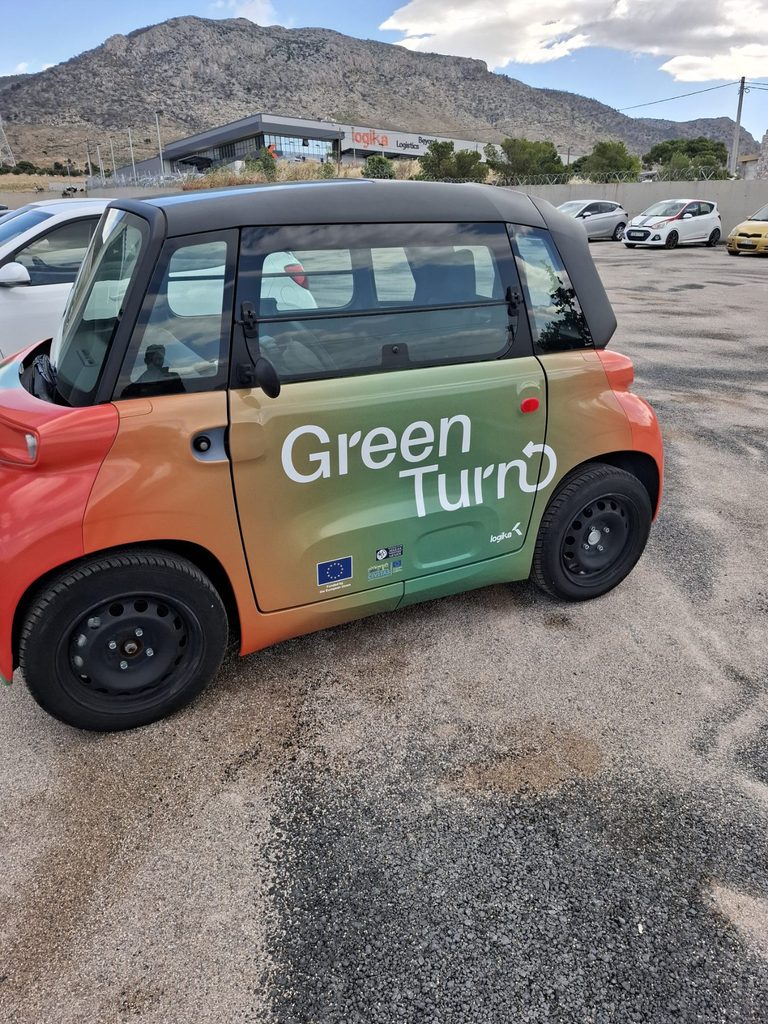
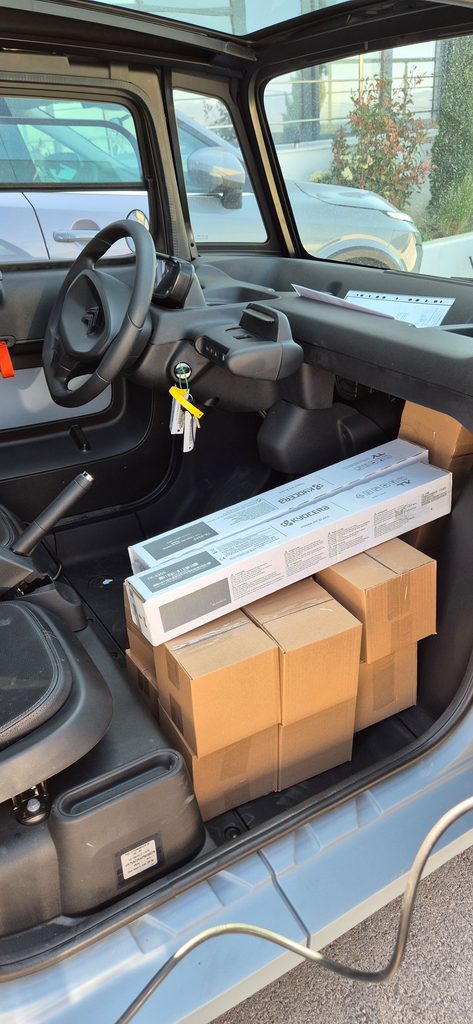
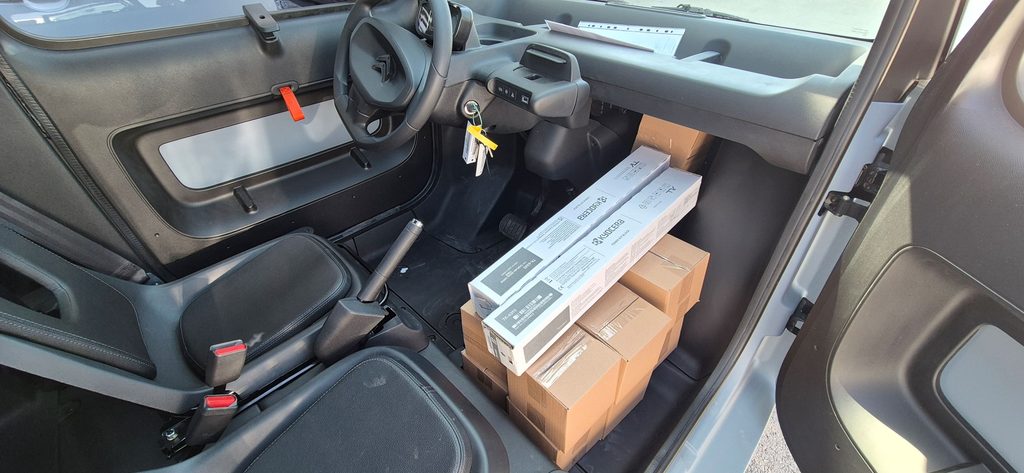
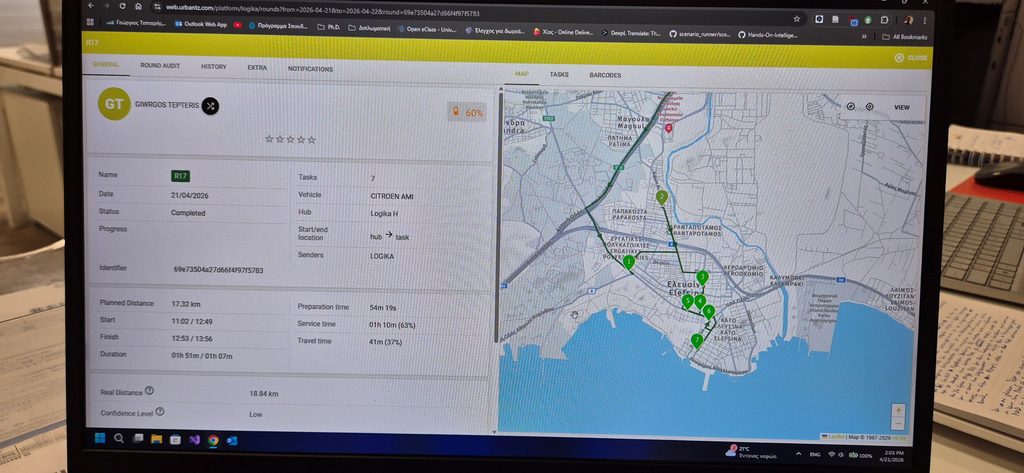
Two Citroën Ami Cargo electric vehicles have been deployed alongside a last-mile orchestration platform that supports real-time route planning, automated scheduling, customer notifications and operational monitoring. The pilot examines the same electric distribution operation from two complementary perspectives: environmental performance and productivity and cost efficiency.
Initial operational data have already been collected. Results from May to August 2026 show substantially lower CO₂ emissions per kilometre for the electric vehicles than for the conventional diesel benchmark. The vehicles have also achieved load factors of approximately 75–77%, while delivery costs were up to 8.1% lower during the monitoring period.
Electric deliveries and return collections
B2B deliveries and return collections in Western Attica have traditionally relied on conventional diesel vehicles. In addition to producing emissions, these operations can involve unnecessary kilometres, low vehicle utilisation and delivery and return routes that are planned separately.
The Athens pilot addresses these challenges through fleet electrification and digital coordination. LOGIKA identifies the orders, plans the routes and delivery time slots, loads the electric vehicles and carries out the deliveries and return collections. The orchestration platform coordinates multiple tasks within the same delivery rounds and continuously records operational data.
Where operationally feasible, return collections are integrated with outgoing deliveries instead of being organised as separate journeys. Consolidated loading and digital route planning support higher vehicle utilisation and fewer empty kilometres.
Conventional diesel vehicles serve as the operational benchmark. This enables direct comparison between electric and conventional deliveries under actual operating conditions.
Preliminary results
Data collected between May and August 2026 provide the first evidence from the pilot:
- The CO₂ indicator per kilometre was approximately 92% lower for the Citroën Ami Cargo than for the conventional diesel van throughout the monitoring period.
- In August, the recorded values were 70.66 for the electric vehicle and 849.73 for the diesel benchmark.
- The load factor of the electric vehicles reached approximately 75–77%.
- Delivery costs were up to 8.1% lower during the monitoring period.
The emissions attributed to the electric vehicles include the electricity consumed for charging. The comparison also considers an important operational constraint: the Citroën Ami has a considerably lower payload capacity than a conventional diesel van and therefore serves fewer stops during an average delivery tour.
Pilot partners and their roles
Each organisation contributes a different part of the pilot. LOGIKA operates the fleet, loads the vehicles, plans and carries out the routes, and manages customer service. KYOCERA provides real B2B demand for deliveries and return collections, allowing the vehicles and platform to operate in an actual business environment. The University of the Aegean monitors the pilot and evaluates its environmental, operational, economic and social performance. The assessment covers emissions, kilometres travelled, load factors, stops per tour, delivery and return costs, resource utilisation, worker experience and customer satisfaction.
Remaining pilot assessment
During the remaining pilot period, the partners are continuing to examine:
- the consistency of the environmental benefits across different routes and demand levels;
- the effect of the vehicles’ limited payload capacity on route productivity;
- the conditions under which delivery and return consolidation reduces unnecessary travel;
- the operational reliability and financial viability of the electric distribution model.
The results contribute to GreenTurn’s wider work on sustainable last-mile logistics across five European pilots. The final assessment will identify the operating conditions under which compact electric vehicles and digitally coordinated distribution could be adopted by other logistics operators and B2B delivery networks.
Other events

17 February
Webinar │Customer Journeys and Behavioural Modelling
online
24 September
Webinar: Unlocking Green Delivery: What’s Driving the Preferences of Online Consumers?
Online

6 November
ALICE Logistics Innovation Summit
Tangla Hotel (Brussels)